Re: AMD FX-81xx, 61xx, 41xx - recenze, zkušenosti, dotazy
Napsal: sob 22. říj 2011, 00:56
Preco len na x6 a fx ?
Diskuze o hardware, software a overclockingu
https://forum.pctuning.cz/
rbclass píše:Preco len na x6 a fx ?
zde to máš přímo od AMD :Krteq píše:A stále ten stejný omyl opakovaný stále dokola. DirectX 11 Multithreaded rendering nemá nic společného s multithreadingem na CPU (tedy krom názvu). U GPU se jedná o rozdělení úlohy renderingu na několik "stages", které se potom provádějí současně.
Já osobně to chápu tak, když vezmu v potaz, že drtivá většina her využívá max.1 -2 jádraMultithreaded Rendering
Effectively utilizing the available processing cores on advanced CPUs like the AMD Phenom II™ X6 has been a challenge in prior versions of DirectX®, but DirectX® 11’s Multithreaded Rendering architecture has made it easier than ever for application developers. From more detailed games to faster applications, multithreaded rendering helps make the most of modern hardware.
žeby nejak drtili SB sa ale povedať nedá...flanker píše:rbclass píše:Preco len na x6 a fx ?
protože dle preview BF3 škálovalo celkem s jádry, čím tam bylo víc threadů, tím rostl výkon v FPS v herním rozlišení.


Myslíš že na stránkách AMD bude relevantní vysvětlení bez marketingových přikrašovadel?del42sa píše:...
A urcite vies, ake su jadra CPU slabunke v takychto vypoctoch, oproti GPU,... takze to percento bude tomu podobne.del42sa píše:Já osobně to chápu tak, když vezmu v potaz, že drtivá většina her využívá max.1 -2 jádra ( některé jako GTA IV i 4 jádra, což je spíše vyjímka ) tak DX11 MTR umí zaměstnat i ostatní volná jádra moderních CPU, proto obzvláště na 6 - 8 jádrech by výkon takové DX11 hry s podporou MTR mohl o poznání lépe škálovat. Konečně by ve hrách mohlo dojít k významějšímu zvýhodnění procesorů s více než 4 jádry IMHO.
ale nejde o natrhnutí SB, spíše se má umět popasovat s 4C/8T SB což se mu daří, procesor se slabším výkonem na jádro nemůže porazit ten s výkonějším ani v GPU limited hráchdexterav píše: žeby nejak drtili SB sa ale povedať nedá...
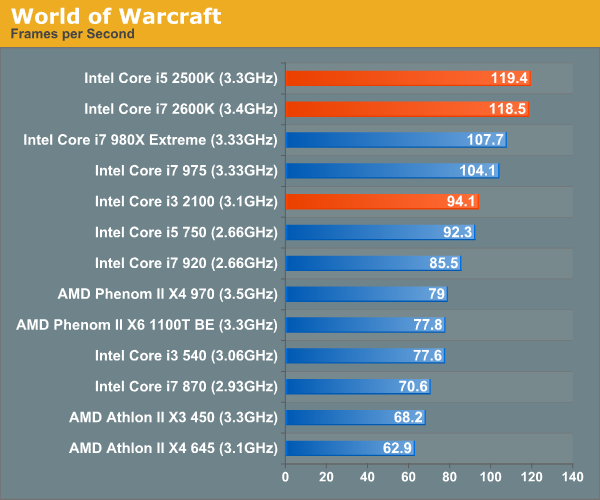
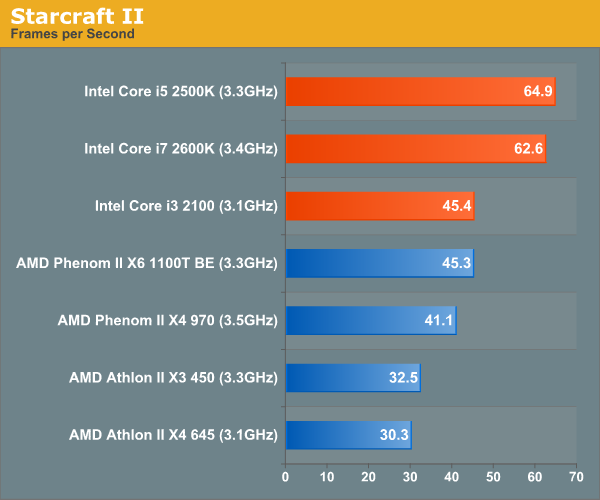
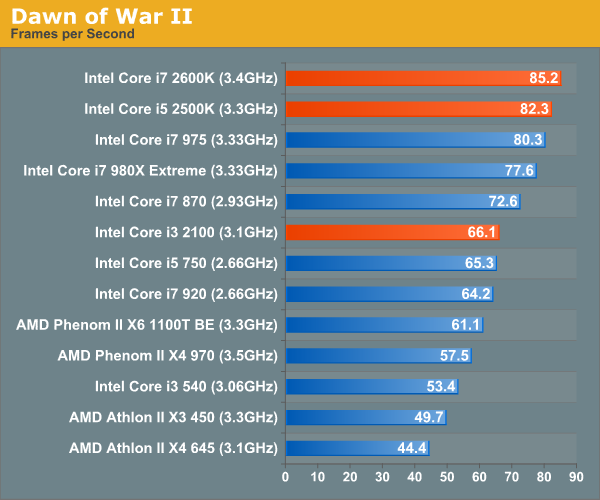
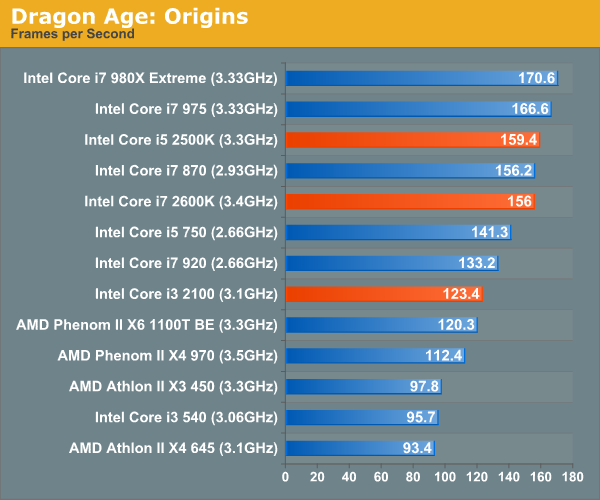
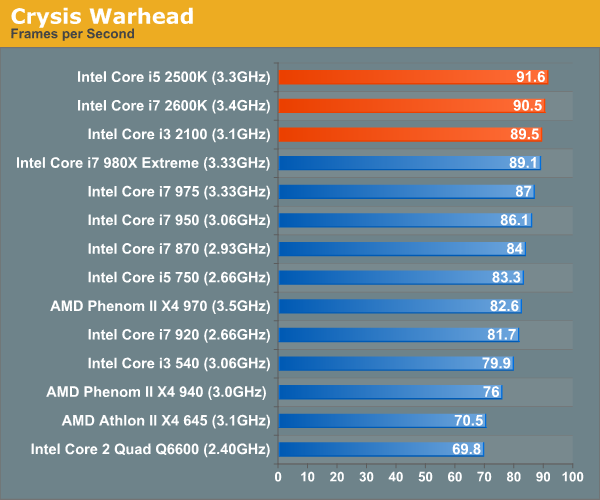
tak tohle mě docela zajímá, můžeš říct kde? Ale vynech prosimtě MMO hry, tam každej už ví jak to je.dexterav píše: dajú sa nájť hry kde X6 poráža X4 aj napriek nižšej frekvencii celkom slušne a potom je tam SB i3 a tá natrha zadnice obom ešte aj po pretakte , takže je to o multi alebo nie?
Krteq, já to chápu. Není třeba abyste mě tady s Wuuduu "evangelizovali"Krteq píše:Myslíš že na stránkách AMD bude relevantní vysvětlení bez marketingových přikrašovadel?del42sa píše:...
DX API může přesunout některé "contexts" ke zpracování na nevyužité/á jádro/a CPU, ale rendering samostatný provádí stále GPU. Částečně se výkon zvýší, ale nečekejte od toho zázraky. Engine musí být stále programován tak aby mohl škálovat přes určitý počet threadů.

Pomůže to tak spoustě her, které jsou CPU limited, protože když například některá hra (většina) běžně využívá jen jedno vlákno a ty máš třeba 6-ti jádro, tak seš CPU limited i když vlastně tvůj procesor má ještě 5 volných jader a výkonu dostatek. Tento paradox má právě odstranit DX11 MTR.“The game needs to setup a bunch of objects and then pass that on to the video drivers and finally to the GPU. As a result of this, it’s possible to choke the CPU while submitting a large number of objects to the GPU. In DirectX 11, multi-threaded rendering is achieved by turning the D3D pipeline into a 3 step process: the Device, the Immediate Context, and the Deferred Context. The important bit here is that the deferred context is full of things that have yet to be sent to the GPU, and that you can have a deferred context for each thread. When developers talk about multi-threaded rendering with DX11, this is what they’re referring to. When you use DX11s multi-threaded rendering capabilities correctly, you can have several threads assemble their deferred contexts, and then combine them into a single command list once it comes time to render the scene.”
Naproti tomu DX11 MTR je featura, která umožňuje narozdíl od složitého klasického programování pro vícejádrové CPU, poměrně jednoduše využít výhod vícejádrových CPUIn spite of the fact that multi-threaded programming has been around for decades, mainstream programmers didn't start focusing on parallel programming until multi-core CPUs started coming along. Much general purpose code is straightforward as a single thread; extracting performance via parallel programming can be difficult and isn't always obvious. Even with talented programmers, Amdahl's Law is a bitch: your speed up from parallelization is limited by the percent of code that is necessarily sequential.
We’ve spoken to a number of developers about multi-threading – some have come up with ways to utilise the increased core count, while others have struggled to extract more performance and have often left those additional cores sitting idle. That’s becoming less and less of a problem nowadays as developers have started to think about threading, but there are still scenarios where the application is incredibly CPU limited.
Switching between threads is said to be fine grained, so the developer should be able to manually decide how and in what order operations are queued up for the Immediate Context interface. Each Device interface can load thread resources as and when it needs to, while the Deferred Context interface acts as a per-thread device context for future rendering operations – it queues up draw calls (or Display Lists) before passing them onto the Immediate Context interface when it’s ready for them. The end result of all this is that the future will be more parallel friendly. As two and four core CPUs become more and more popular and 8 and 16 (logical) core CPUs are on the horizon, we need all the help we can get when trying to extract performance from parallelism. This is a good move for DirectX and we hope it will help push game engines to more fully utilize more than two or even four cores when the time comes.
tady vůbec nejde o to, že by CPU počítaly grafickou scénu, vše to pořád leží na bedrech GPU. Pokud bude hra GPU limited , tak jí ani MTR nepomůže. CPU jen bude mít možnost pracovat a enginem hry paralelně. Jak jsem napsal předím Krtkovi, jde o lepší spolupráci GPU a CPU a odstranění CPU limitu.Wuuduu píše:A urcite vies, ake su jadra CPU slabunke v takychto vypoctoch, oproti GPU,... takze to percento bude tomu podobne.
Hladiš: ale ARg se ptal na situaci, kdy údajně Phenom X6 na nižší taktech měl porážet výše taktované Ph X4Hladis píše:ArgCZ: Nerad bych sklouzaval k OT ,ale v drtive vetsine her i3-2100 porazi cokoliv ze staje AMD
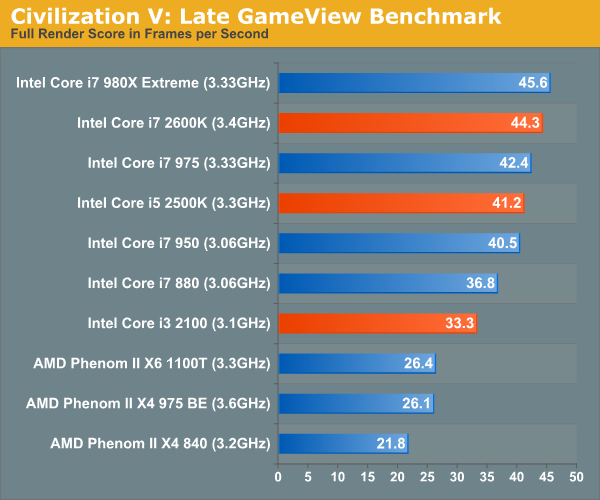
Myslim ze se opet muzem vratit k BD. U Civ5 ,ale je vytizeni CPU pri multirenderingu docela velke. Sice je CPU stale limitem ,ale ne tolik hlavne na nV kartach s podporou to dost pomaha.
http://forums.anandtech.com/showpost.ph ... stcount=28
\\\ Hladis: o.k. příště to napíšu správněWith NVIDIA's drivers now allowing Civ V to use multiple deferred contexts, Civ V's performance shot way up. With high-end GPUs performance damn near doubled at lower resolutions. Civ V was in fact CPU limited - it was CPU limited because it was only able to use a single thread to assemble its contexts, and that thread was maxing out the single GPU core it could use. This is why drivers played such a big part in Civ V's performance, because how drivers handled D3D11 contexts was the key to unlocking Civ V's performance.


 dalsi odbornik
 tiez nechapem preco do toho pletu procesoriKrteq píše:A stále ten stejný omyl opakovaný stále dokola. DirectX 11 Multithreaded rendering nemá nic společného s multithreadingem na CPU (tedy krom názvu). U GPU se jedná o rozdělení úlohy renderingu na několik "stages", které se potom provádějí současně.